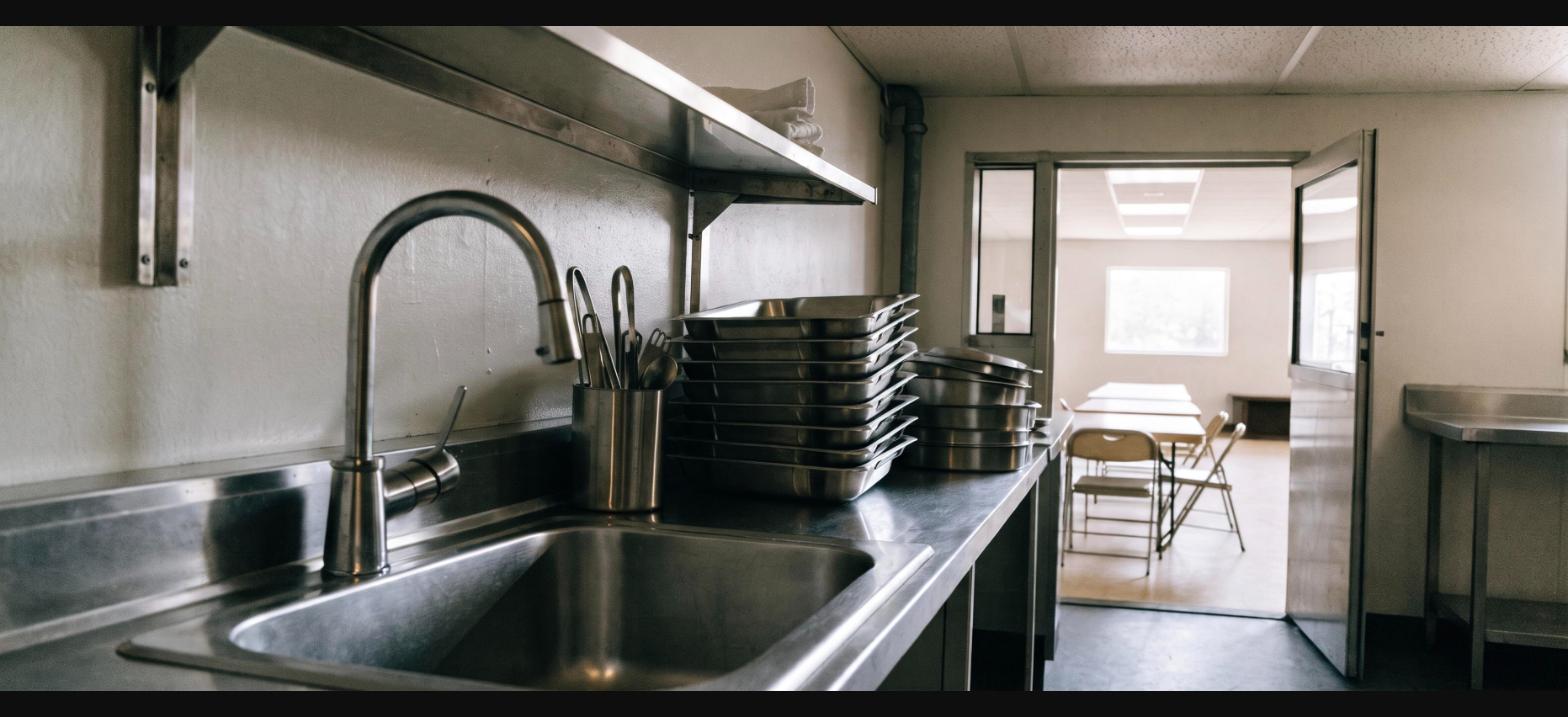
Every congregation that has built a table big enough to eat around together eventually builds a kitchen to match. Family meals, coffee hour, the pantry on a Tuesday, Vacation Bible School in July — the fellowship hall quietly becomes a working food operation run almost entirely by volunteers.
And in most of them, the single most-used ingredient has never been looked at once. Brewed coffee is somewhere around 98 percent water. The urn that disappoints people every Sunday is usually not a bean problem.
Coffee Is the Obvious Symptom
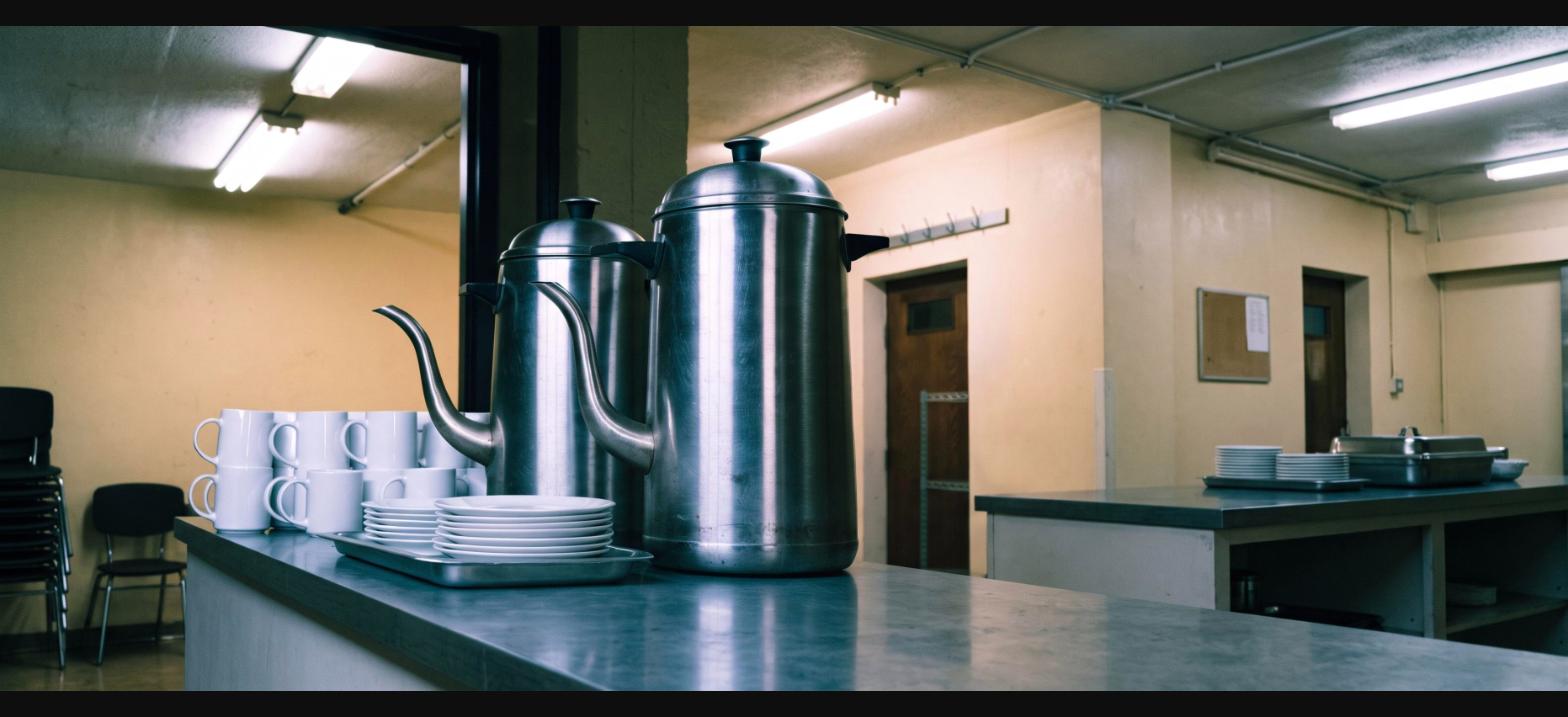
Municipal water is treated with chlorine or chloramine to keep it safe, which is a good thing on every measure except taste. Both carry straight through into whatever you brew, and chloramine in particular does not simply evaporate off the way chlorine does. Congregations buy better coffee, change the roast, blame the urn — and the flat, slightly chemical note stays, because it was never coming from the grounds.
Hard water compounds it. Minerals change how coffee extracts, and they build up inside the urn as scale, which is why an old urn gets slower and worse over years rather than failing outright.

Watch: The Best Water for Coffee — An Introduction (YouTube)
The Costs You Do Not See
Scale is the expensive part. It coats heating elements and whatever ice machine you may have, acts as an insulator, and makes the equipment work harder for less output until it quits early. For a church replacing a commercial appliance out of a tight budget, that is real money.
The visible version is glassware and flatware coming out of the dishwasher spotted. Those spots are dissolved minerals left behind as water evaporates, not dirt, and no amount of rewashing or stronger detergent removes them.
Filtration Is a Category, Not a Product
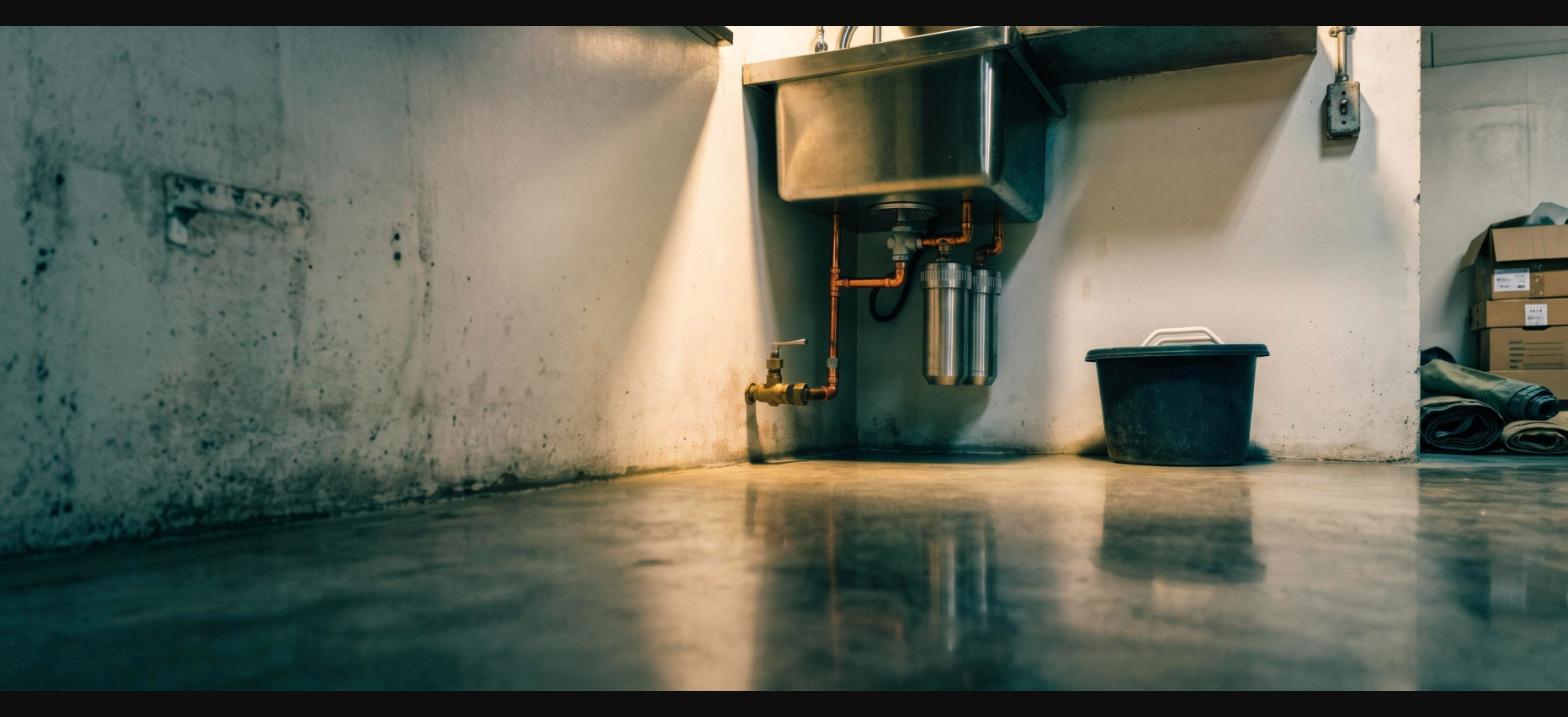
This is where well-meaning committees waste money. Someone buys “a filter,” it gets plumbed in under the sink, and everyone assumes the matter is settled. But sediment, carbon, scale inhibition and reverse osmosis all solve different problems, and the one your coffee urn needs is not the one your dishwasher needs.
An overview of the commercial water purification options in common use is worth reading before anyone spends anything, because the expensive mistake here is buying the wrong thing and believing the problem is handled.
Two Things Particular to Churches
Intermittent use matters. A building used heavily on Sunday and barely touched midweek leaves water sitting in the lines for days. Run the taps for a minute before brewing or cooking after a quiet stretch — it costs nothing and it is the single easiest improvement most halls can make.
And put filter changes on a calendar with a name attached. A cartridge past its service life stops helping and can start releasing what it collected. In volunteer-run kitchens this is the job that silently becomes nobody’s, which is exactly how a filter installed in good faith ends up making things worse than no filter at all.
Get the water tested first. Hardness varies enormously between towns, and a free test from a supplier turns this from a guess into a decision — which is the right way to spend a congregation’s money.